


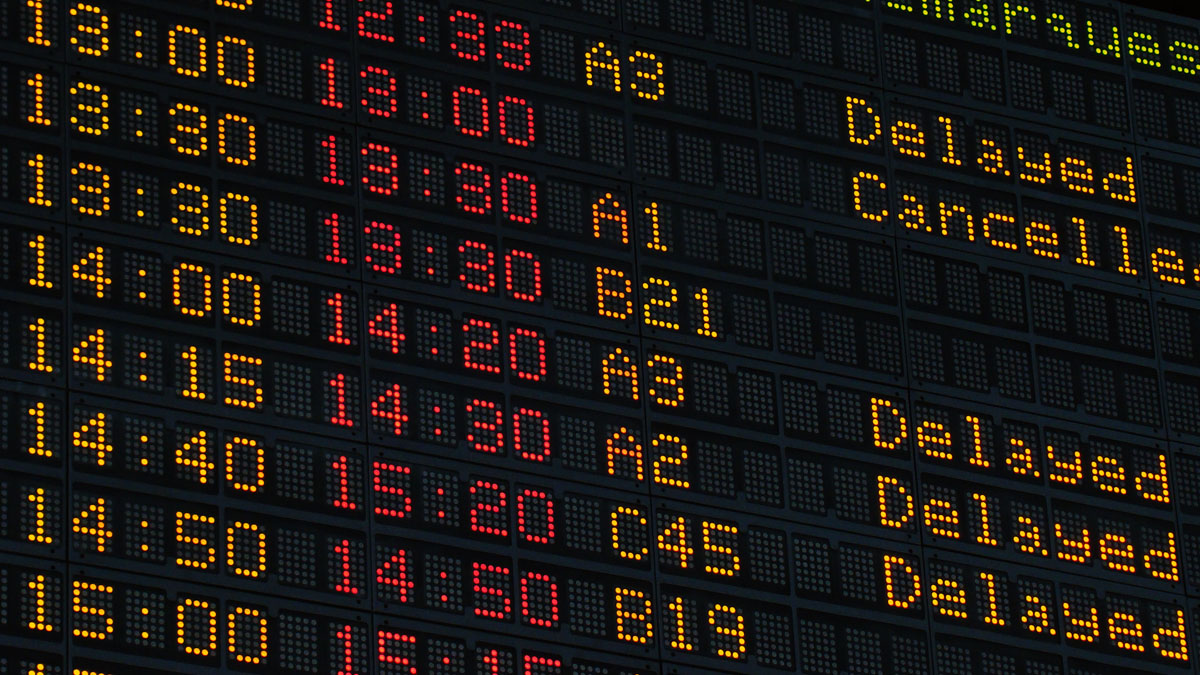
Flight delays can disrupt your trip, add unexpected expenses, and make travel more stressful. But does a delay mean the airline owes you money? Whether you qualify for a refund, travel credit, or delay compensation can depend on where you are flying, the type of ticket you purchased, the cause of the delay, and how long the disruption lasts.
When Do Airlines Have to Compensate for Delays?
In the United States, you may be entitled to a refund of the ticket price if your flight arrives at least three hours late for domestic flights or at least six hours late for international flights, under Department of Transportation rules.
In the European Union, you may be eligible for compensation under EU261 if your arrival time is delayed at least three hours. EU261 applies to:
- All travelers, including those who are not citizens of the EU
- Any flight departing from an EU airport, regardless of the airline
- Flights arriving in the EU when operated by an EU-based airline
How Long Does a Flight Delay Have to Be for Compensation?
In the U.S., you are entitled to a refund if the airline significantly delays your flight and you choose not to travel or decline alternative compensation offered by the airline.
DOT considers these situations “significant” schedule changes:
- Domestic arrival delays of three hours or more
- International arrival delays of six hours or more
- Domestic departures moved three hours earlier or more
- International departures moved six hours earlier or more
- Changes to your departure or destination airport
- More connection points added to your itinerary
- Involuntary downgrades to a lower class of service
- Changes to your flight or airport that make travel less accessible, if you have a disability
Under EU261, compensation typically applies when you arrive at your final destination at least three hours late.
Which Flight Delays Are Not Eligible for Compensation?
Airlines usually do not compensate for delays caused by situations outside their control, such as:
- Air traffic control restrictions
- Airport closures
- Bad weather
- Political instability
- Security threats
You are also not entitled to a refund under DOT rules if:
- You accept the delayed or changed flight
- You take an alternative flight offered by the airline
- You miss your flight after purchasing a non-refundable ticket
- You simply receive poor customer service during an otherwise completed trip
How Much Compensation Can You Get for a Flight Delay?
In the U.S., no airline commits to offering cash compensation for a delay. Depending on the airline policy, you may receive meal vouchers, hotel accommodations, travel credits, or a refund if you reject a significantly delayed or changed itinerary.
If you are involuntarily downgraded to a lower class of service but still choose to travel, DOT requires the airline to refund the fare difference between the original ticket and the downgraded seat.
Under EU261, compensation amounts depend on flight distance and delay duration.
| Compensation | Length of Flight | Delayed Arrival |
|---|---|---|
| €600 | 3,500km or more | 4+ hours |
| €300 | 3,500km or more | 3-4 hours |
| €400 | 1,500km or more | 3+ hours |
| €250 | Less than 1,500km | 3+ hours |
Do Airlines Provide Hotels or Meals for Long Delays?
There are no federal rules requiring U.S. airlines to provide hotels or meals for delayed domestic travelers, although many airlines voluntarily offer this coverage for controllable disruptions.
Under EU261, you may be eligible for reimbursement for transportation, accommodation, and meal costs incurred due to a disruption.
How Do You Claim Compensation for a Delayed Flight?
To file a refund claim in the U.S., submit your request directly through the airline’s website. If your flight was significantly delayed or changed and you declined the airline’s alternative transportation, you may qualify for a refund under DOT rules.
For eligible EU flights, you can file your compensation claim on the EU261 website.
Tips to Reduce Travel Disruption Risks
DOT guidance recommends defensive planning when timing is critical.
- Early morning departures are usually less likely to experience delays
- Avoiding tight connections and choosing less congested airports may also reduce your risk of missing a connecting flight
- If your flight is heavily delayed, ask whether the airline can transfer or endorse your ticket to another carrier
Disclaimer: The information contained in this article serves as a general overview of benefits and should only be used for informational purposes. Refer to your individual certificate of insurance for specific coverages, exclusions and benefits. When in doubt, please contact one of our licensed agents for additional assistance.


