Key takeaways
- Most travel insurance policies don’t cover losses caused by war, military action, invasion, or armed conflict.
- That said, some policies may still provide certain benefits (such as emergency medical coverage, emergency medical evacuation, or political evacuation coverage), depending on the policy language.
- If geopolitical uncertainty is a real concern for your trip, cancel for any reason (CFAR) coverage may provide additional flexibility.
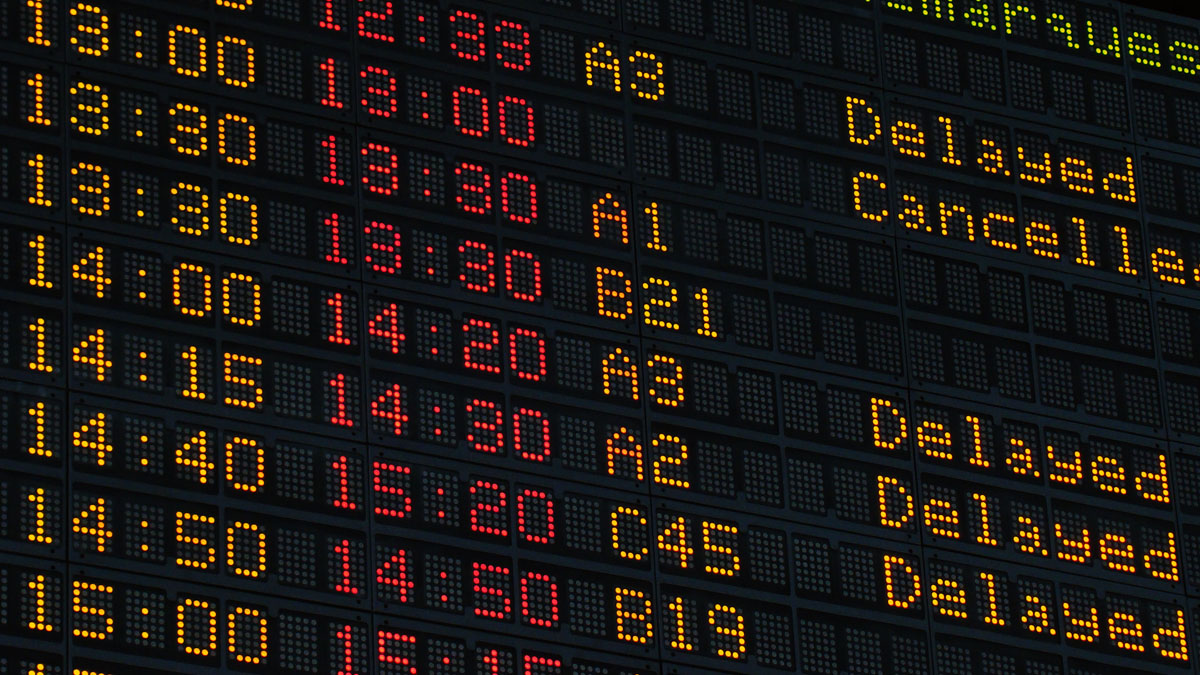
War, military action, and armed conflict can throw travel plans into chaos fast. Flight cancellations, airspace closures, or entire regions suddenly off-limits can all lead to major travel disruptions.
Although travel insurance typically won’t cover trip cancellation or interruption claims caused directly by war, some benefits may still apply depending on your specific policy and situation.
Here’s what you need to know about how war, military conflict, and related events are typically treated under a travel insurance policy. As always, coverage varies by insurer, by policy, and even by when you purchased your plan, so review your policy closely to know exactly what’s covered.
Does travel insurance cover war?
Generally, no.
Most comprehensive travel insurance policies exclude losses that result directly or indirectly from war, military action, invasion, civil war, rebellion, or similar armed conflicts. In practice, that means a trip cancellation or interruption claim caused by war typically won’t be covered.
However, not every travel-related issue that occurs during a conflict is automatically excluded. What’s covered comes down to your policy’s specific language and the circumstances of your claim.
What is a “war exclusion”?
A war exclusion is a provision in an insurance policy that excludes coverage for losses resulting from:
- Armed conflict
- Civil war
- Insurrection
- Invasion
- Military action
- Rebellion
- Undeclared war
- War
Many travel insurance policies include broad war exclusions that apply to trip cancellation, trip interruption, baggage, and other benefits.
It’s important to review your policy certificate to understand exactly how your insurer defines “war” and “military action,” since the wording can vary.
Travel insurance coverage for war-related disruptions
Can travel insurance cover trip cancellation due to war?
In most cases, no, standard travel insurance doesn’t cover trip cancellation solely because of war or military conflict.
Your cancellation may not qualify as a covered reason under a standard policy if:
- War breaks out in your destination
- Airspace closes due to military action
- Your flight is rerouted due to armed conflict
- You decide you no longer feel comfortable traveling
Additionally, some insurers treat ongoing conflicts or government travel advisories as foreseeable events once they become publicly known, which can affect whether a later claim is covered.
Does travel insurance cover flight cancellations caused by war?
Usually not, if the cancellation is directly attributable to war or military action. Many policies exclude claims resulting from war-related airspace closures, military operations, or similar disruptions.
However, your airline may offer:
- Refunds
- Travel credits
- Rebooking options
- Alternate routing
If this is the case, note that insurers generally won’t reimburse a loss if you’re able to recover it through another source.
Does travel insurance cover terrorism?
Possibly. Some policies treat terrorism differently from war-related disruptions and include it as a covered reason for trip interruption or cancellation if specific conditions are met.
Coverage varies significantly by policy, so it’s worth reviewing your plan’s definition of terrorism and any exclusions that might still apply before purchasing.
Does travel insurance cover emergency evacuation during a war?
Sometimes. Some travel insurance policies include benefits like:
- Political evacuation
- Security evacuation
- Political security evacuation
These benefits may help arrange and pay for transportation to a safer location if political unrest, military conflict, or government instability put you in a dangerous situation mid-trip.
As usual, eligibility requirements and exclusions vary by policy. Coverage may not apply if:
- Your destination was already considered a high-risk area before departure
- A travel advisory existed before you bought coverage
- The event was considered foreseeable at the time you purchased your policy
Always review your policy’s evacuation provisions carefully rather than assuming this benefit is standard.
Can cancel for any reason coverage help?
Yes. Cancel for any reason (CFAR) coverage is an optional upgrade available on some travel insurance plans that lets you cancel your trip for reasons a standard policy won’t cover, such as war.
If it’s available on your plan, CFAR typically:
- Must be purchased shortly after your initial trip deposit
- Requires you to insure 100% of your prepaid, nonrefundable trip costs
- Reimburses only a portion of your trip expenses (often 50% or 75%)
- Requires you to cancel within a set timeframe (usually at least 48 hours before departure)
What if war starts after I buy travel insurance?
The timing matters. Travel insurance is generally built to cover unforeseen events. If a conflict starts after you’ve purchased your policy, your options may be different than if the conflict was already known when you bought it. However, if your policy includes a war exclusion, that can still limit coverage either way.
Since insurers evaluate claims based on policy language and the specific facts of each situation, coverage decisions can vary even between seemingly similar cases.
How can you protect your trip during geopolitical uncertainty?
If you’re heading somewhere experiencing political tension, there are a few things worth doing to help protect your trip:
- Buy travel insurance early — ideally, as soon as possible after making your first trip payment
- Carefully review your policy’s war and military action exclusions
- Evaluate whether CFAR coverage options make sense for your trip
- Check current government travel advisories
- Book refundable travel arrangements when possible
- Understand your airline’s refund and rebooking policies
Pairing flexible travel plans with the right insurance coverage is your best defense against financial risk should your plans change unexpectedly.
Frequently asked questions
Does travel insurance cover war-related cancellations?
Generally, no. Most travel insurance policies exclude trip cancellation claims caused directly or indirectly by war, military action, invasion, or armed conflict. Coverage always comes down to your policy’s particular terms and exclusions.
Does travel insurance cover military action?
Most standard travel insurance policies exclude losses resulting from military action, war, invasion, or similar events. Review your policy certificate for the exact definitions and exclusions that apply.
Does travel insurance cover civil unrest?
Not always. Coverage for civil unrest varies by policy. Some exclude civil unrest outright, while others may offer limited benefits depending on the circumstances and policy language.
Does travel insurance cover political evacuation?
It depends on your policy. Some travel insurance policies include political or security evacuation benefits to help get you to a safer location during political instability, military conflict, or civil unrest. Eligibility requirements and exclusions apply.
Can I buy travel insurance after a war starts?
Yes, you may still be able to purchase a travel insurance policy. However, losses related to a known or ongoing conflict may not be covered, since they’re considered foreseeable events at that point.
Is cancel for any reason (CFAR) coverage worth it if I am concerned about war?
CFAR coverage can provide valuable flexibility if you’re concerned about geopolitical events. Just know it costs extra, must be purchased within a limited timeframe, and usually reimburses only a percentage of your prepaid, nonrefundable trip costs. You’ll also typically need to cancel at least 48 hours before departure to use it.
What is the best travel insurance for war-related concerns?
The best travel insurance for geopolitical concerns depends on your destination, your itinerary, and how much risk you’re comfortable with. Compare policies carefully, paying particular attention to war exclusions, political evacuation benefits, emergency medical coverage, and whether CFAR is available as an upgrade.
Disclaimer: The information contained in this article serves as a general overview of benefits and should only be used for informational purposes. Refer to your individual certificate of insurance for specific coverages, exclusions and benefits. When in doubt, please contact one of our licensed agents for additional assistance.